A System Design Case Study
Redesigning the
Delhi Metro
COMPANY
DMRC
ROLE
UX Researcher
EXPERTISE
UX/UI Design
YEAR
2024
Introduction
Introduction
Introduction
To make navigation easier, the Delhi Metro provides maps, signage, and announcements in both English and Hindi. There are also various apps and digital platforms to facilitate a better user experience while traveling in the Delhi Metro.
However, many tourists, first-time traveler's, and experienced ones face challenges while navigating this well-structured but complex metro system. The Delhi metro system consists of multiple "Metro Lines" coded by color and stations having multiple floors.
Through this project, we hope to conduct extensive research to understand the Delhi metro system to understand its shortcomings as well as special features leading to its success. we will conduct user research using various data collection methodologies to understand their needs, requirements, and grievances. By collecting and analysing the data, and empathising with the traveler's, we aim to create a mobile-based digital solution to the problems faced while navigating within the Delhi Metro System.
To make navigation easier, the Delhi Metro provides maps, signage, and announcements in both English and Hindi. There are also various apps and digital platforms to facilitate a better user experience while traveling in the Delhi Metro.
However, many tourists, first-time traveler's, and experienced ones face challenges while navigating this well-structured but complex metro system. The Delhi metro system consists of multiple "Metro Lines" coded by color and stations having multiple floors.
Through this project, we hope to conduct extensive research to understand the Delhi metro system to understand its shortcomings as well as special features leading to its success. we will conduct user research using various data collection methodologies to understand their needs, requirements, and grievances. By collecting and analysing the data, and empathising with the traveler's, we aim to create a mobile-based digital solution to the problems faced while navigating within the Delhi Metro System.
To make navigation easier, the Delhi Metro provides maps, signage, and announcements in both English and Hindi. There are also various apps and digital platforms to facilitate a better user experience while traveling in the Delhi Metro.
However, many tourists, first-time traveler's, and experienced ones face challenges while navigating this well-structured but complex metro system. The Delhi metro system consists of multiple "Metro Lines" coded by color and stations having multiple floors.
Through this project, we hope to conduct extensive research to understand the Delhi metro system to understand its shortcomings as well as special features leading to its success. we will conduct user research using various data collection methodologies to understand their needs, requirements, and grievances. By collecting and analysing the data, and empathising with the traveler's, we aim to create a mobile-based digital solution to the problems faced while navigating within the Delhi Metro System.
Timeline
From explorations to Low Fidelity designs in 4 weeks while working with multiple projects at the same time
Background
The Delhi Metro system is one of the largest and busiest in the world, with over 200 stations spread across the city. Navigating through this vast network can be challenging for both locals and tourists. The system is well-connected and efficient, but the sheer size of it can be overwhelming for first-time users.
Why Focus on Delhi Metro?
Why Focus on Delhi Metro?
Why Focus on Delhi Metro?
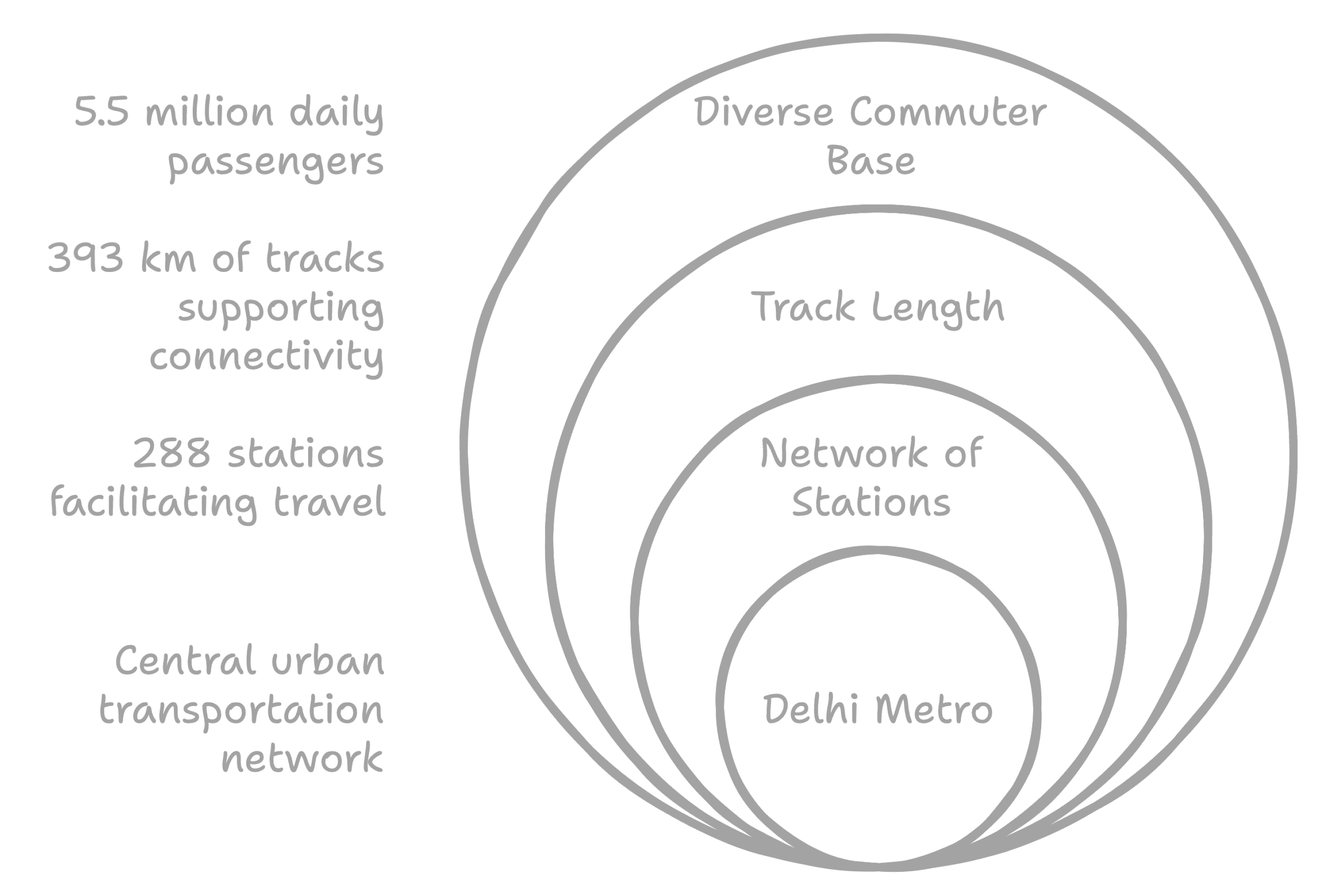
The Delhi Metro is a critical urban transportation network, serving over 5.5 million passengers daily across 288 stations and 393 km of tracks. It operates as the backbone of Delhi’s public transit system, with commuters from all walks of life—students, professionals, tourists—relying on it for their daily commute. The metro network has evolved in phases, with some sections dating back over a decade, creating disparities in infrastructure, technology, and passenger flow management.
However, with rapid urbanisation, increasing population, and a growing number of commuters, overcrowding during peak hours has become a pressing issue. Key interchange stations such as Rajiv Chowk and Kashmere Gate frequently face bottlenecks and congestion, putting immense strain on the system. This project aims to redesign and improve the crowd management system to alleviate these challenges, making the metro experience smoother and safer for passengers.
The Delhi Metro is a critical urban transportation network, serving over 5.5 million passengers daily across 288 stations and 393 km of tracks. It operates as the backbone of Delhi’s public transit system, with commuters from all walks of life—students, professionals, tourists—relying on it for their daily commute. The metro network has evolved in phases, with some sections dating back over a decade, creating disparities in infrastructure, technology, and passenger flow management.
However, with rapid urbanisation, increasing population, and a growing number of commuters, overcrowding during peak hours has become a pressing issue. Key interchange stations such as Rajiv Chowk and Kashmere Gate frequently face bottlenecks and congestion, putting immense strain on the system. This project aims to redesign and improve the crowd management system to alleviate these challenges, making the metro experience smoother and safer for passengers.
The Delhi Metro is a critical urban transportation network, serving over 5.5 million passengers daily across 288 stations and 393 km of tracks. It operates as the backbone of Delhi’s public transit system, with commuters from all walks of life—students, professionals, tourists—relying on it for their daily commute. The metro network has evolved in phases, with some sections dating back over a decade, creating disparities in infrastructure, technology, and passenger flow management.
However, with rapid urbanisation, increasing population, and a growing number of commuters, overcrowding during peak hours has become a pressing issue. Key interchange stations such as Rajiv Chowk and Kashmere Gate frequently face bottlenecks and congestion, putting immense strain on the system. This project aims to redesign and improve the crowd management system to alleviate these challenges, making the metro experience smoother and safer for passengers.
Process
Process
Process
This category details the step-by-step approach taken during the project, including research, planning, design, development, testing, and optimization phases.
This category details the step-by-step approach taken during the project, including research, planning, design, development, testing, and optimization phases.
Research & Planning
Conducted market research to identify existing system challenges and user preferences. Defined target audience segments and outlined key features based on user needs.
Design & Prototyping
After careful examination and understanding brainstormed a variety of ideas,
Also Collaborated with a colleague to create low fidelity user interfaces and interactive prototypes.
Learning from metros around the world
Learning from metros around the world
Learning from metros around the world
🇯🇵 Tokyo Metro
Unique Station Jingles: Regular travelers can easily identify their location through distinctive jingles played over the PA system at each station, eliminating the need to rely solely on visual cues.
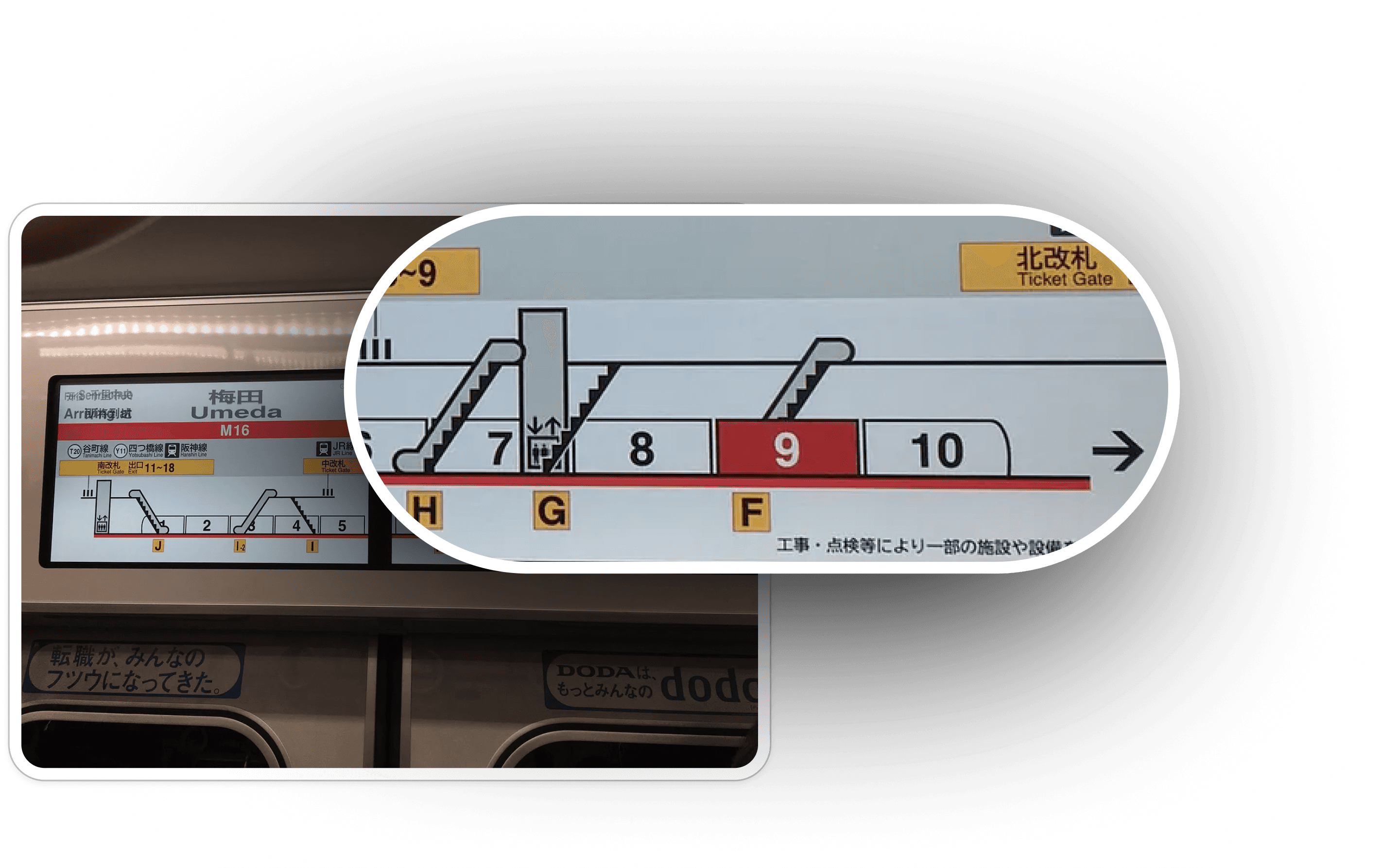
Carriage Maps: Stations provide detailed carriage maps that guide passengers on which carriage to board based on their desired exit. For example, if you need Exit X at Station Y, the map directs you to Carriage Z for maximum convenience.
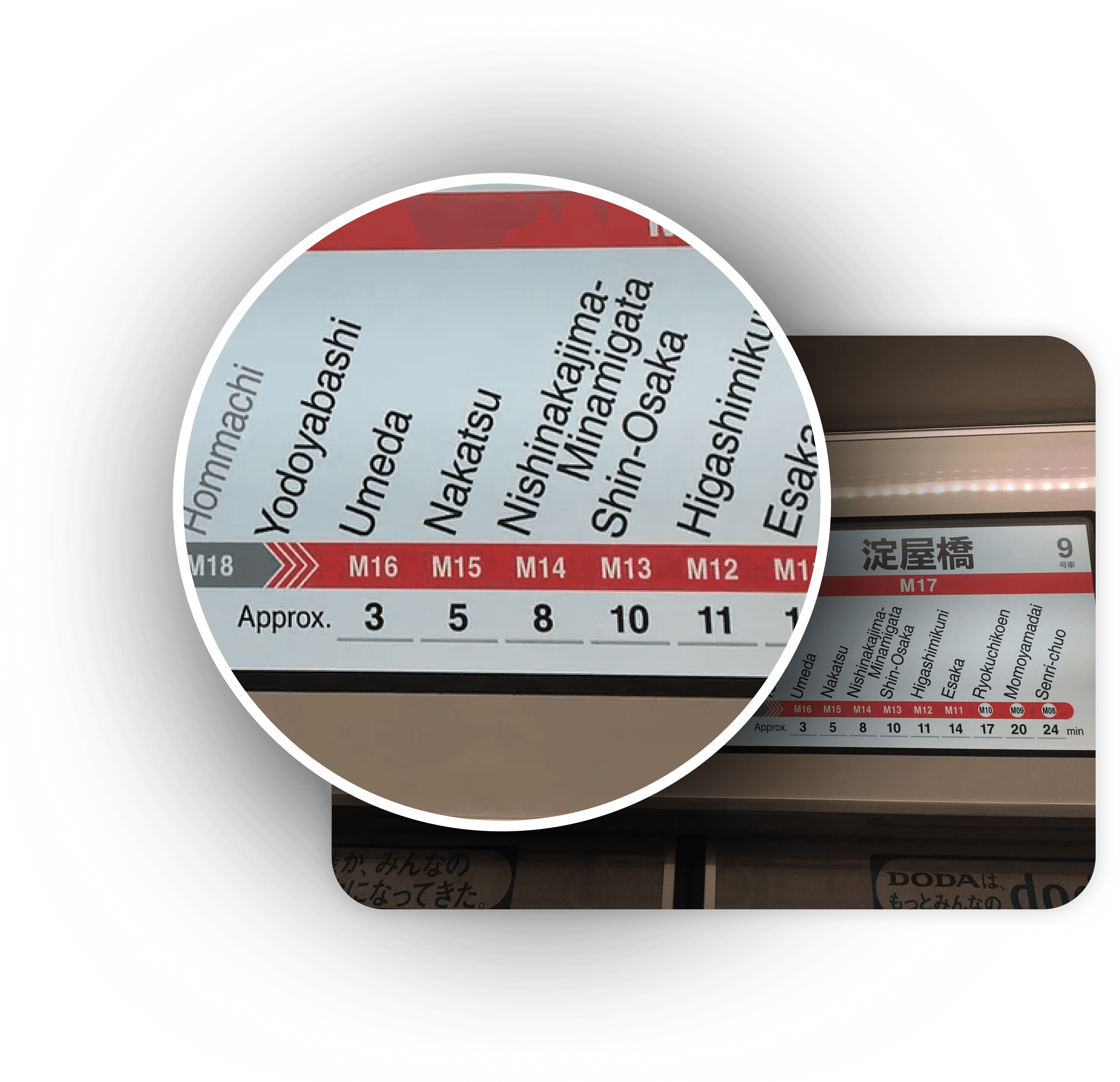
Frequent Signage: Signboards are placed every 20 meters, ensuring passengers always have clear guidance, making navigation within the metro system effortless. Also inside the metro, Showing how many minutes it will take to reach your destination (imgL) and the screen displays in which wagon you’re currently standing and where you’ll land on the platform (imgR).
Unique Station Jingles: Regular travelers can easily identify their location through distinctive jingles played over the PA system at each station, eliminating the need to rely solely on visual cues.
Carriage Maps: Stations provide detailed carriage maps that guide passengers on which carriage to board based on their desired exit. For example, if you need Exit X at Station Y, the map directs you to Carriage Z for maximum convenience.
Frequent Signage: Signboards are placed every 20 meters, ensuring passengers always have clear guidance, making navigation within the metro system effortless. Also inside the metro, Showing how many minutes it will take to reach your destination (imgL) and the screen displays in which wagon you’re currently standing and where you’ll land on the platform (imgR).
🇬🇧 London Underground, UK
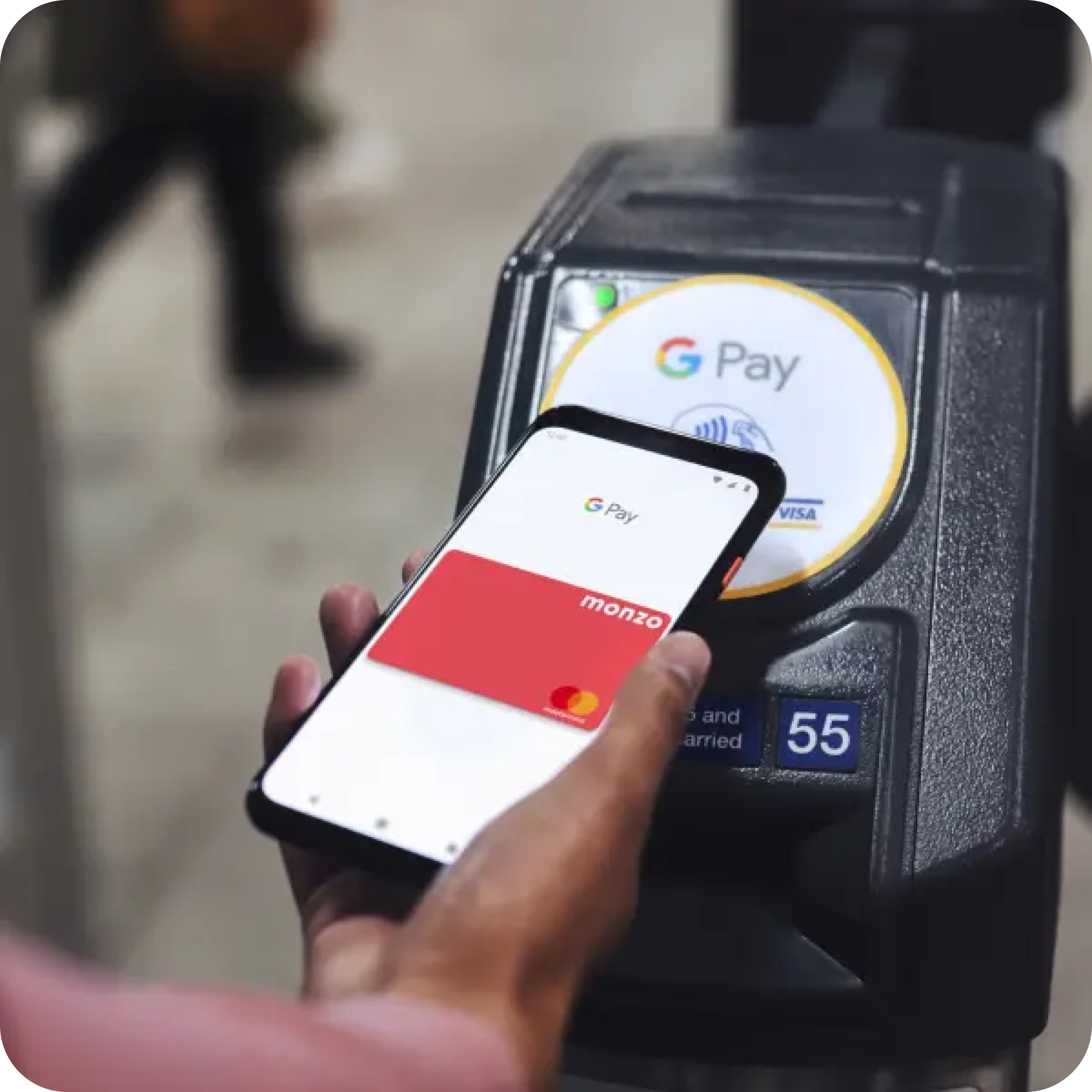
Contactless Payment Integration: Allows passengers to use credit/debit cards or mobile wallets directly at ticket gates, eliminating the need for physical tickets.
Real-Time Disruption Alerts: Digital screens and apps provide live updates on delays and alternate routes to minimize commuter inconvenience.
Step-Free Access: Comprehensive accessibility features, including lifts and ramps, ensure seamless travel for passengers with reduced mobility.
Contactless Payment Integration: Allows passengers to use credit/debit cards or mobile wallets directly at ticket gates, eliminating the need for physical tickets.
Real-Time Disruption Alerts: Digital screens and apps provide live updates on delays and alternate routes to minimize commuter inconvenience.
Step-Free Access: Comprehensive accessibility features, including lifts and ramps, ensure seamless travel for passengers with reduced mobility.
🇭🇰 Hong Kong
Octopus Card Integration: A versatile contactless payment card used not just for metro travel but also for buses, ferries, retail stores, and more, making it a one-stop solution for commuters.
Real-Time Arrival Updates: Digital screens on platforms and mobile apps display live train arrival times and delays, ensuring commuters are always informed.
Wi-Fi and Charging Stations: Free Wi-Fi access and charging points are available at metro lines and select stations
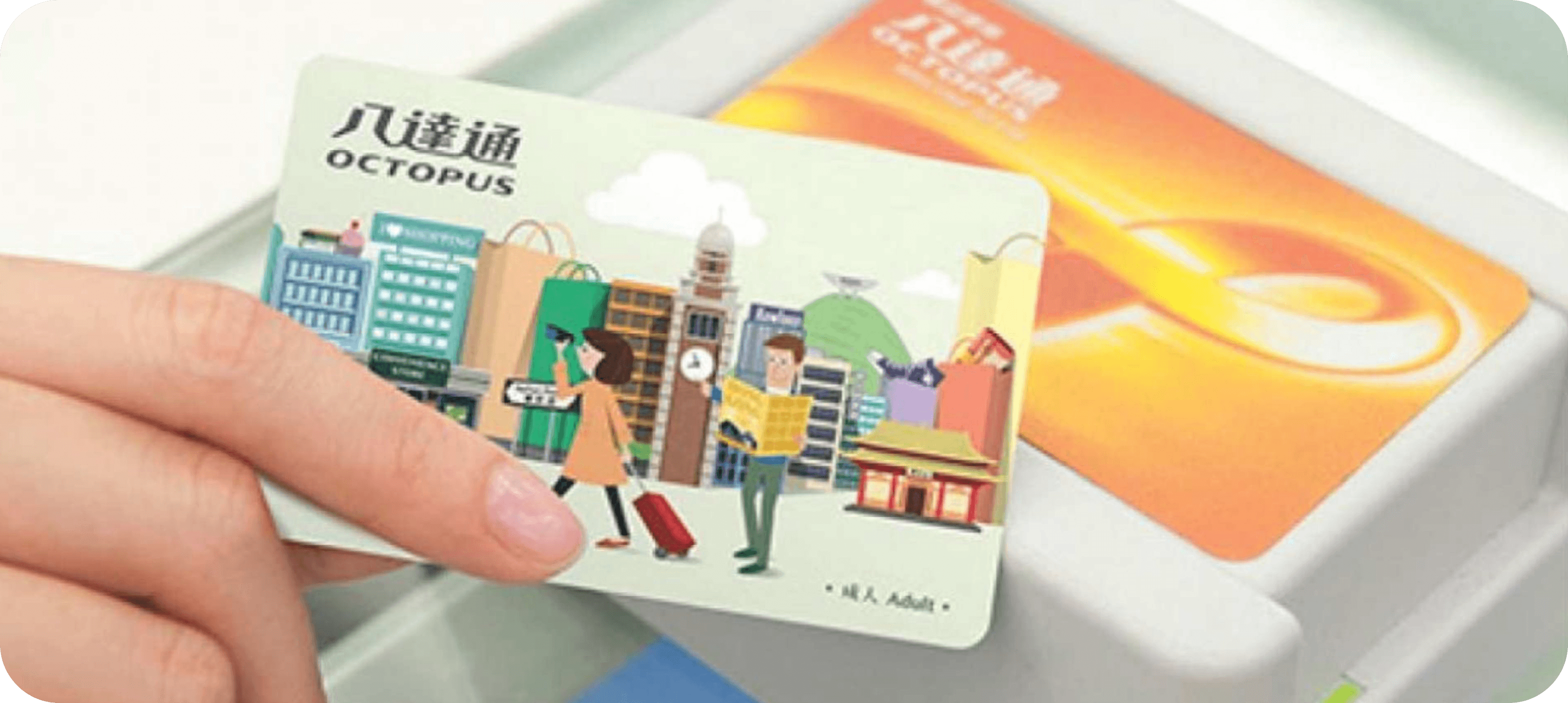
Octopus Card Integration: A versatile contactless payment card used not just for metro travel but also for buses, ferries, retail stores, and more, making it a one-stop solution for commuters.
Real-Time Arrival Updates: Digital screens on platforms and mobile apps display live train arrival times and delays, ensuring commuters are always informed.
Wi-Fi and Charging Stations: Free Wi-Fi access and charging points are available at metro lines and select stations
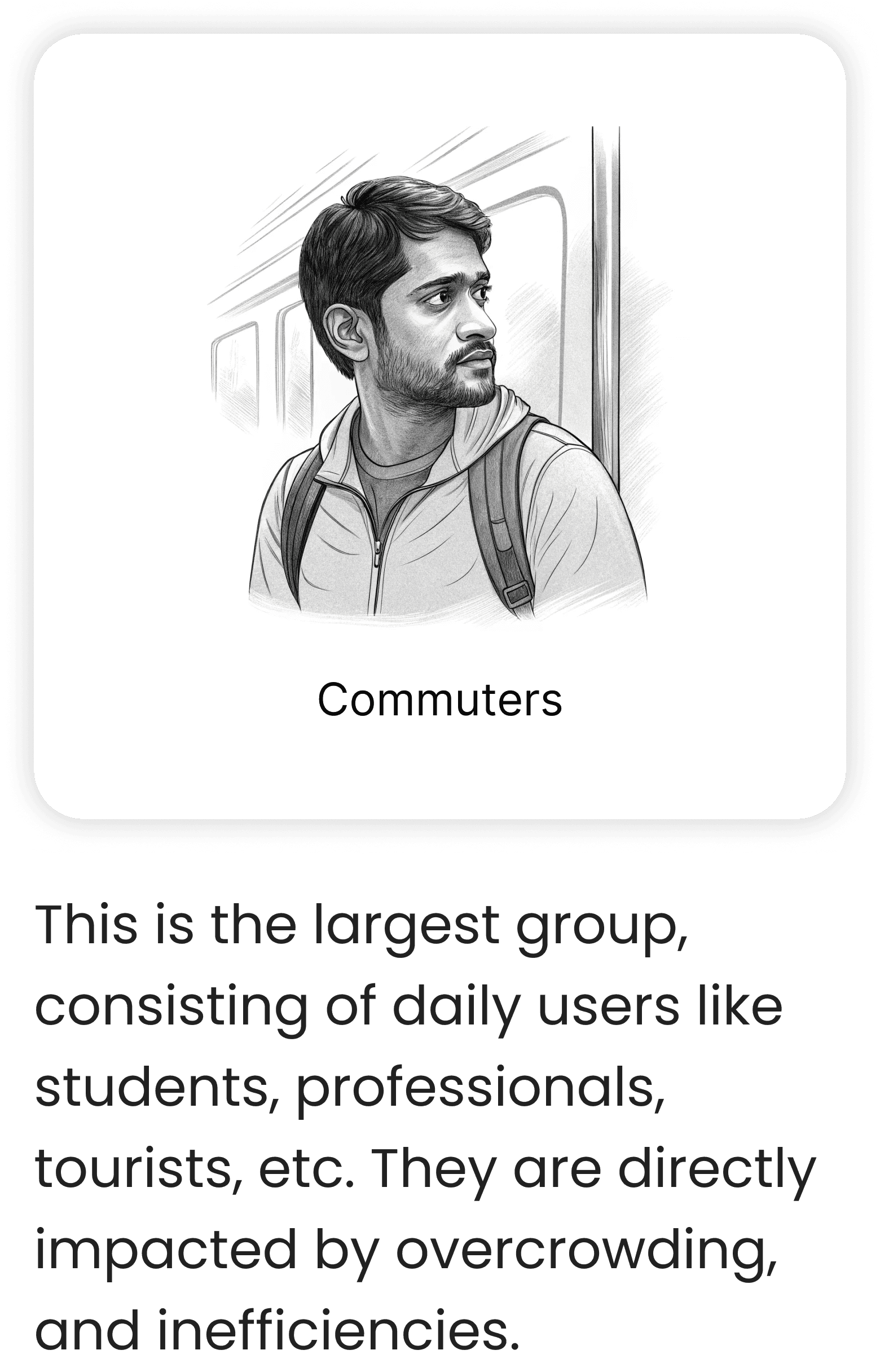
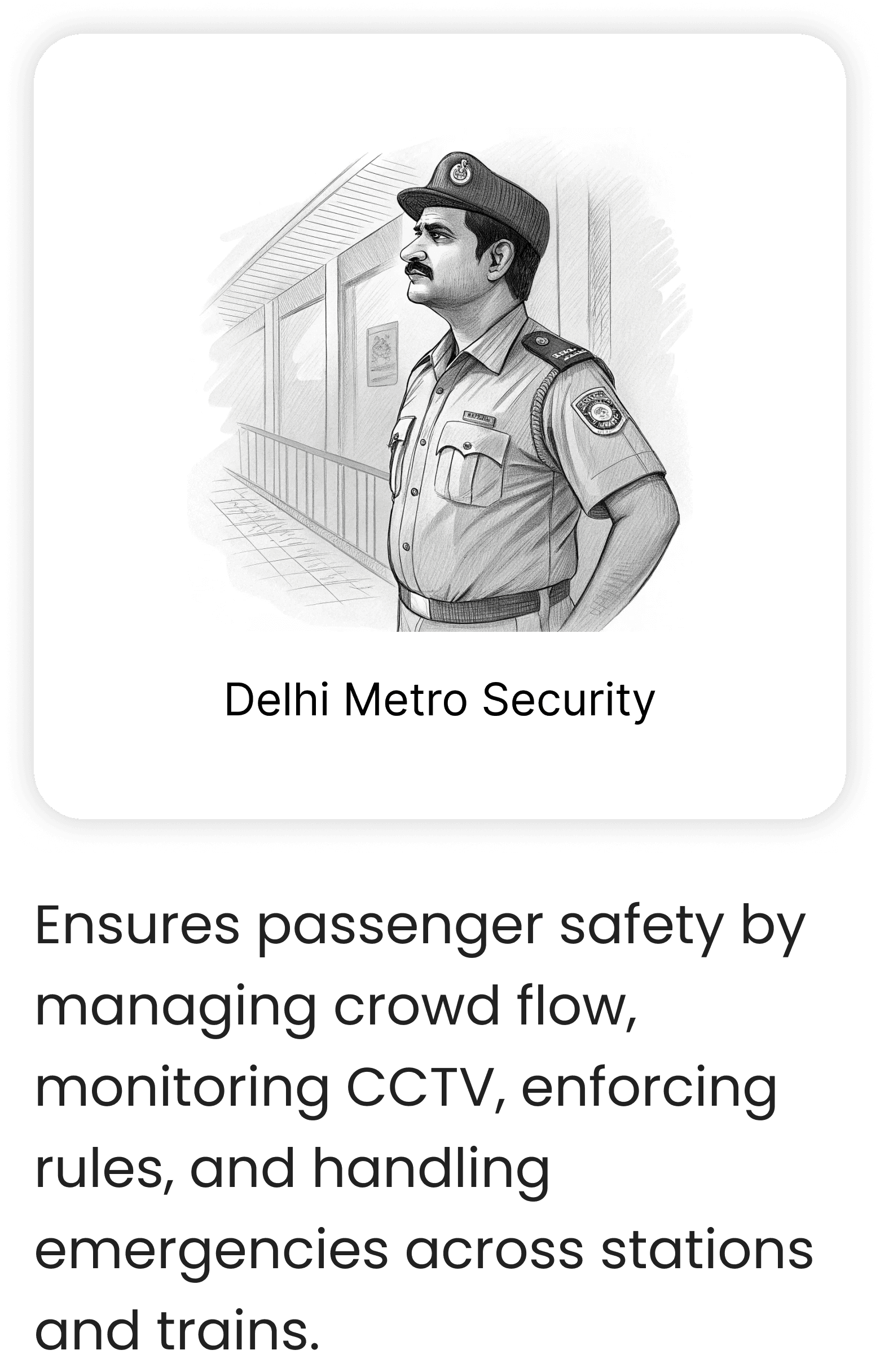
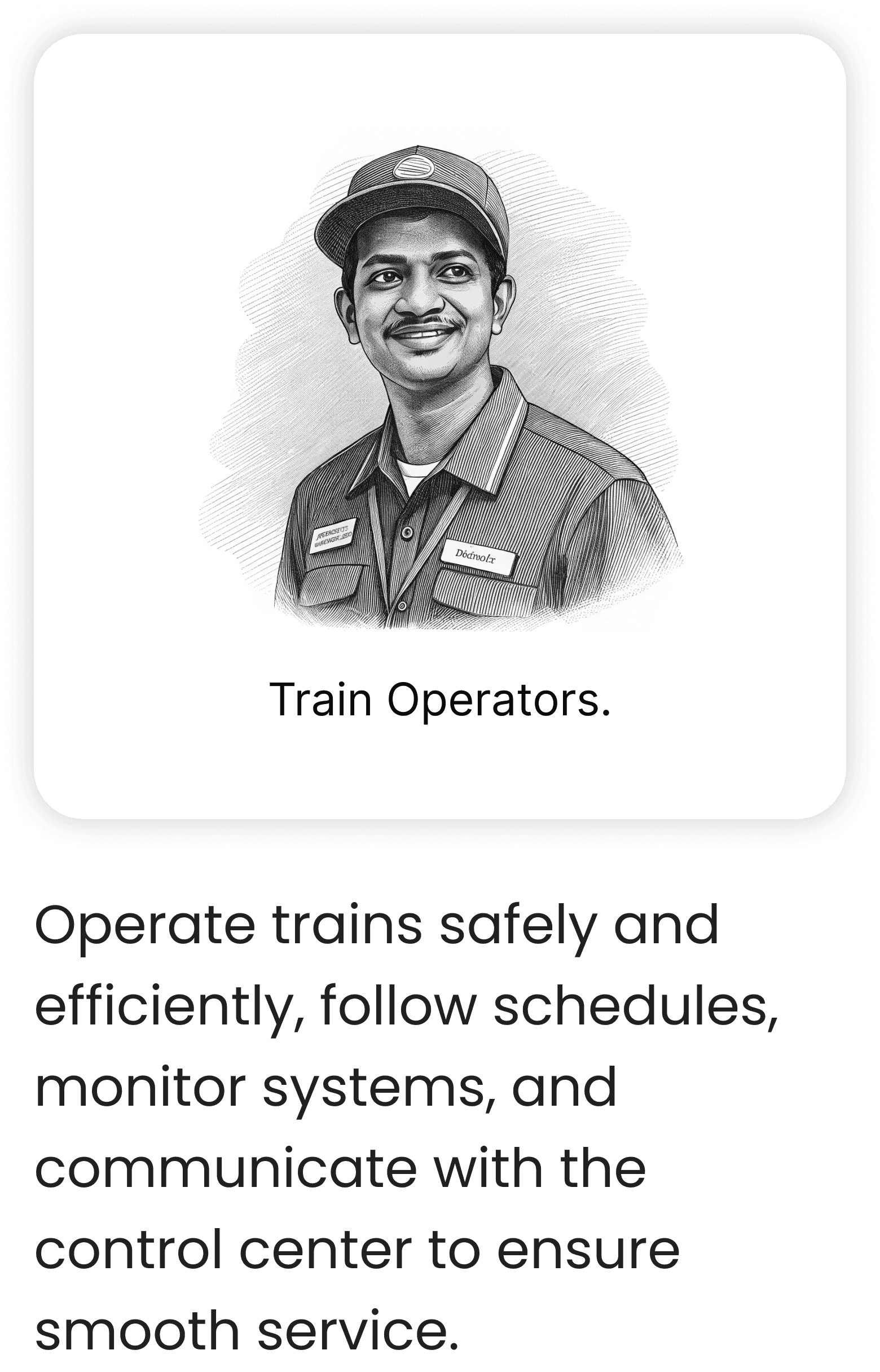
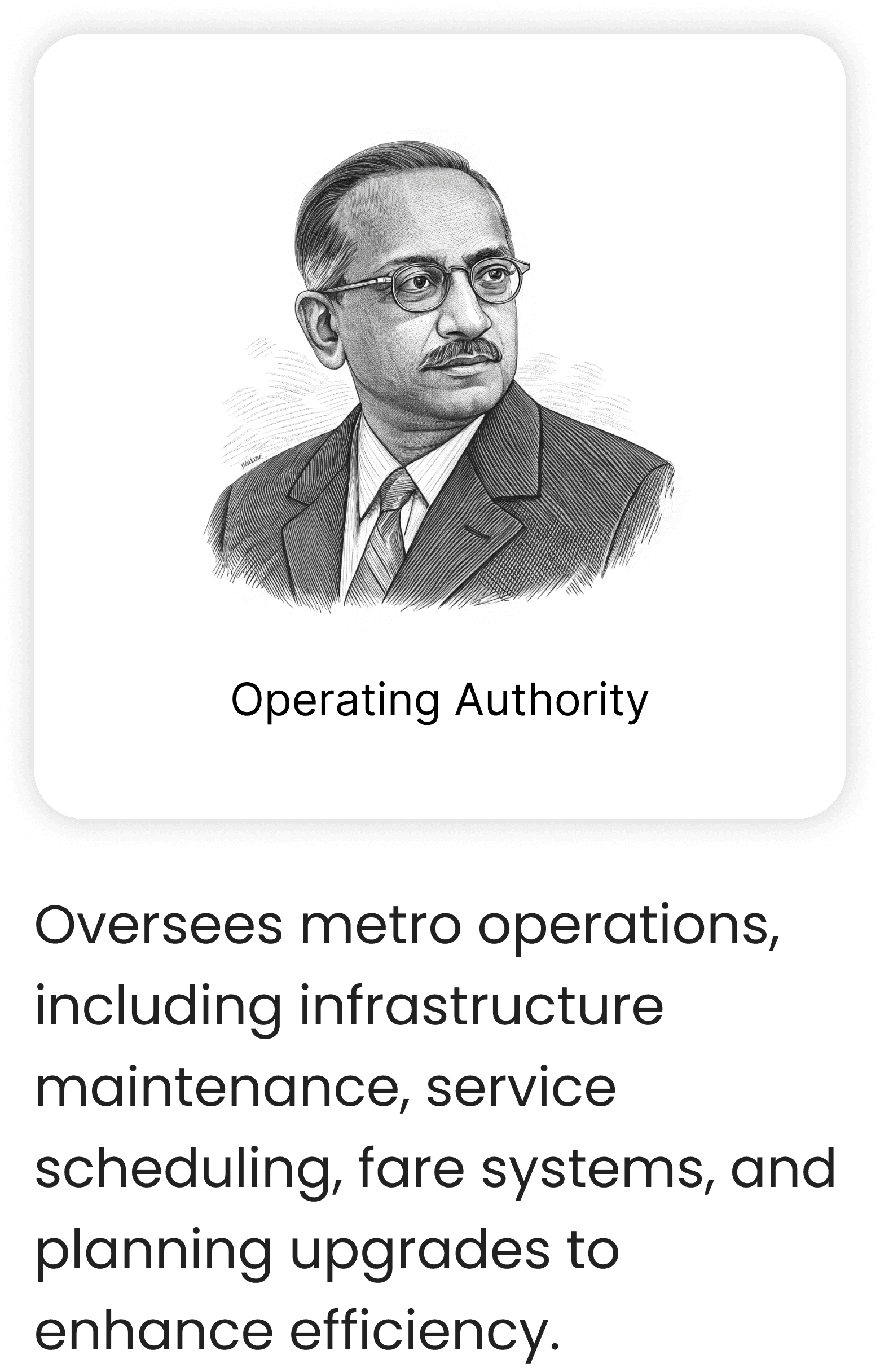
Stakeholders in the Delhi Metro System
Stakeholders in the Delhi Metro System
Stakeholders in the Delhi Metro System
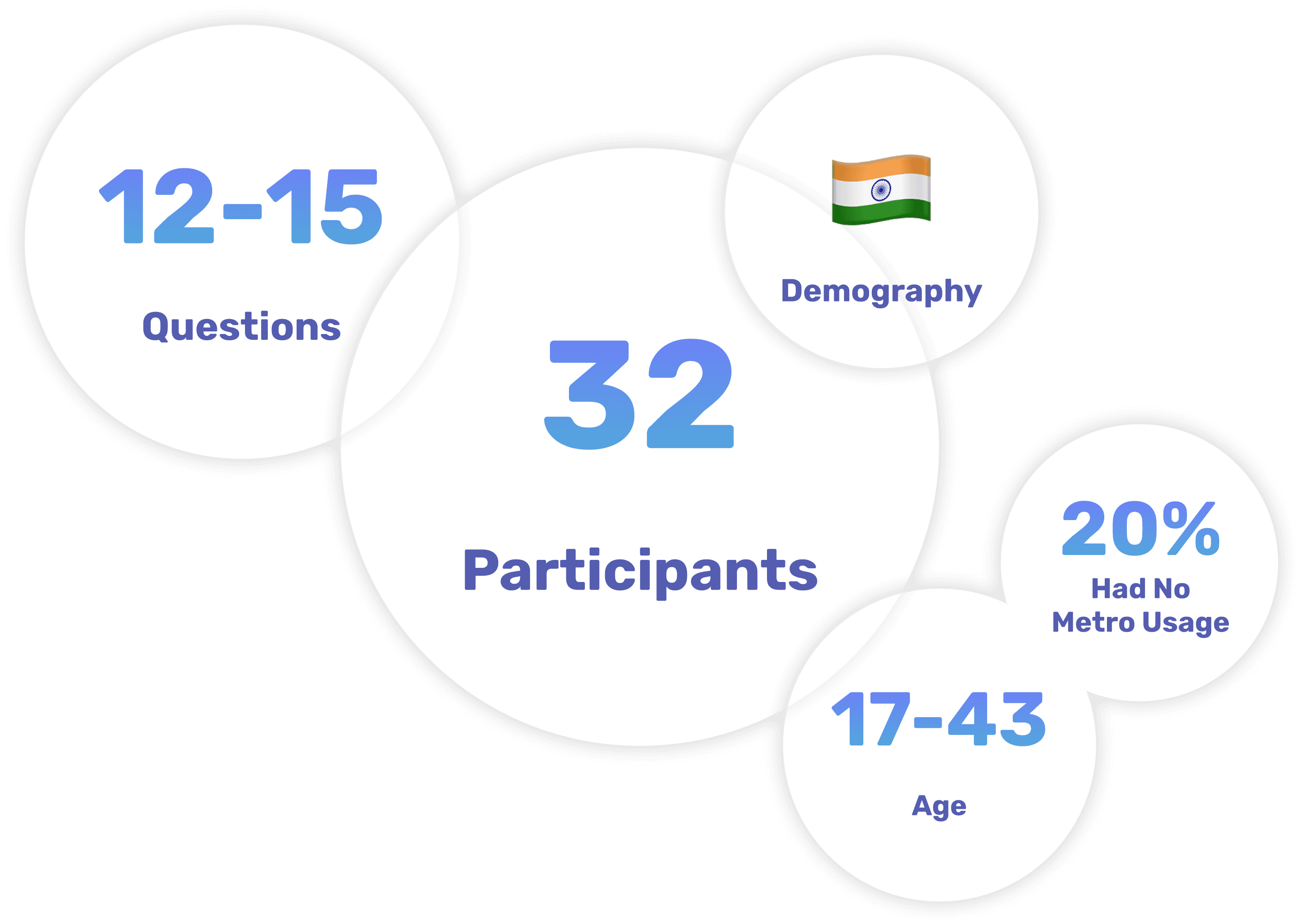
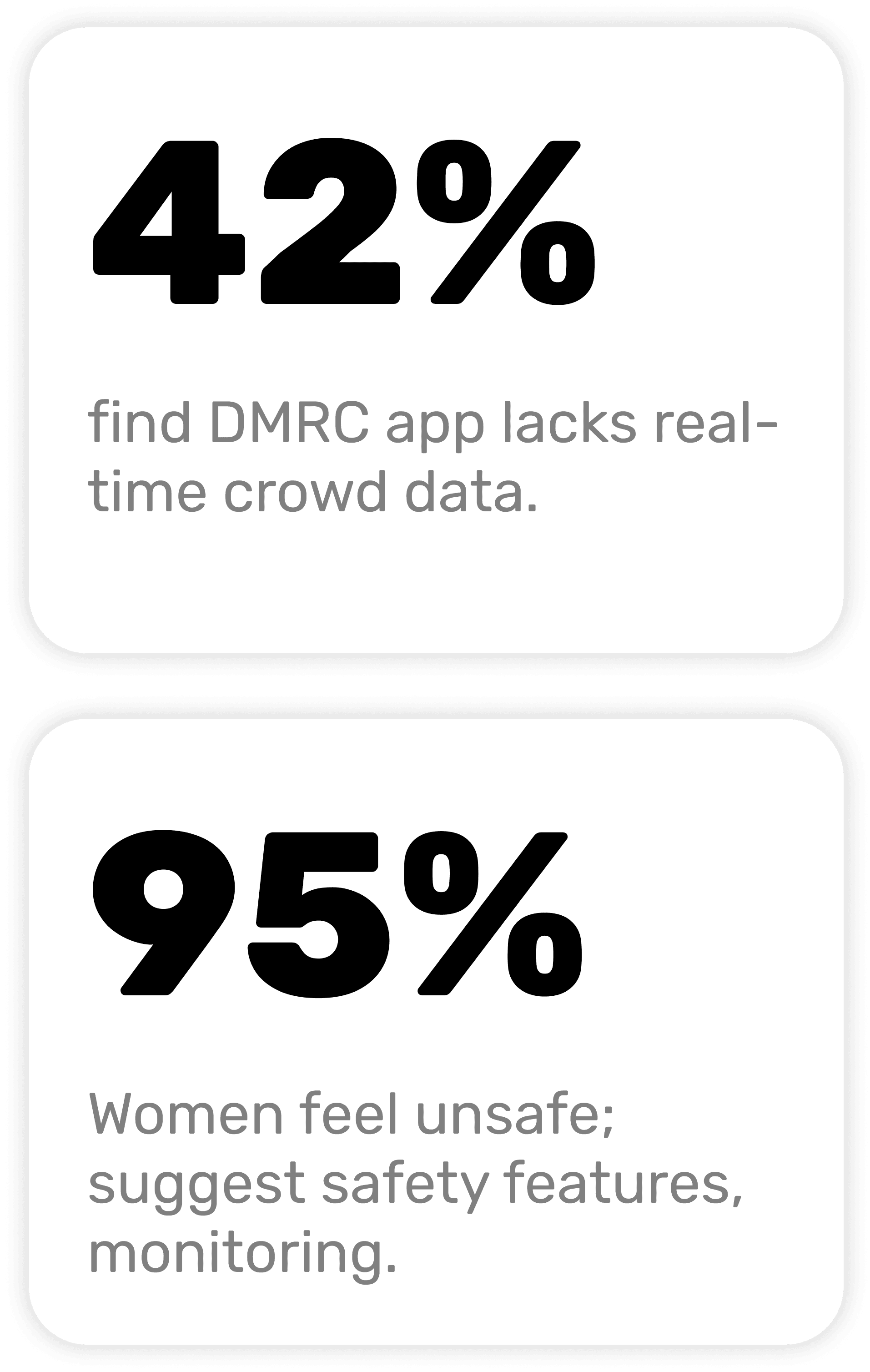
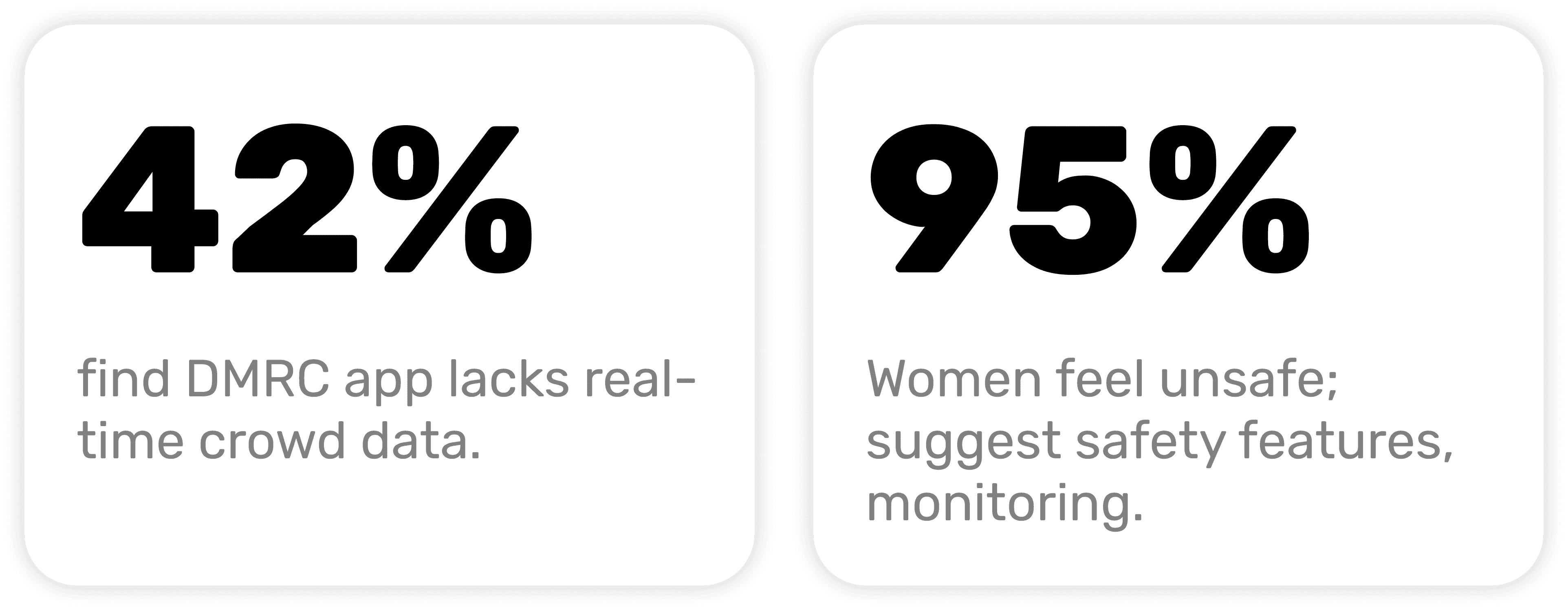
User Surveys / Interviews
User Surveys / Interviews
User Surveys / Interviews
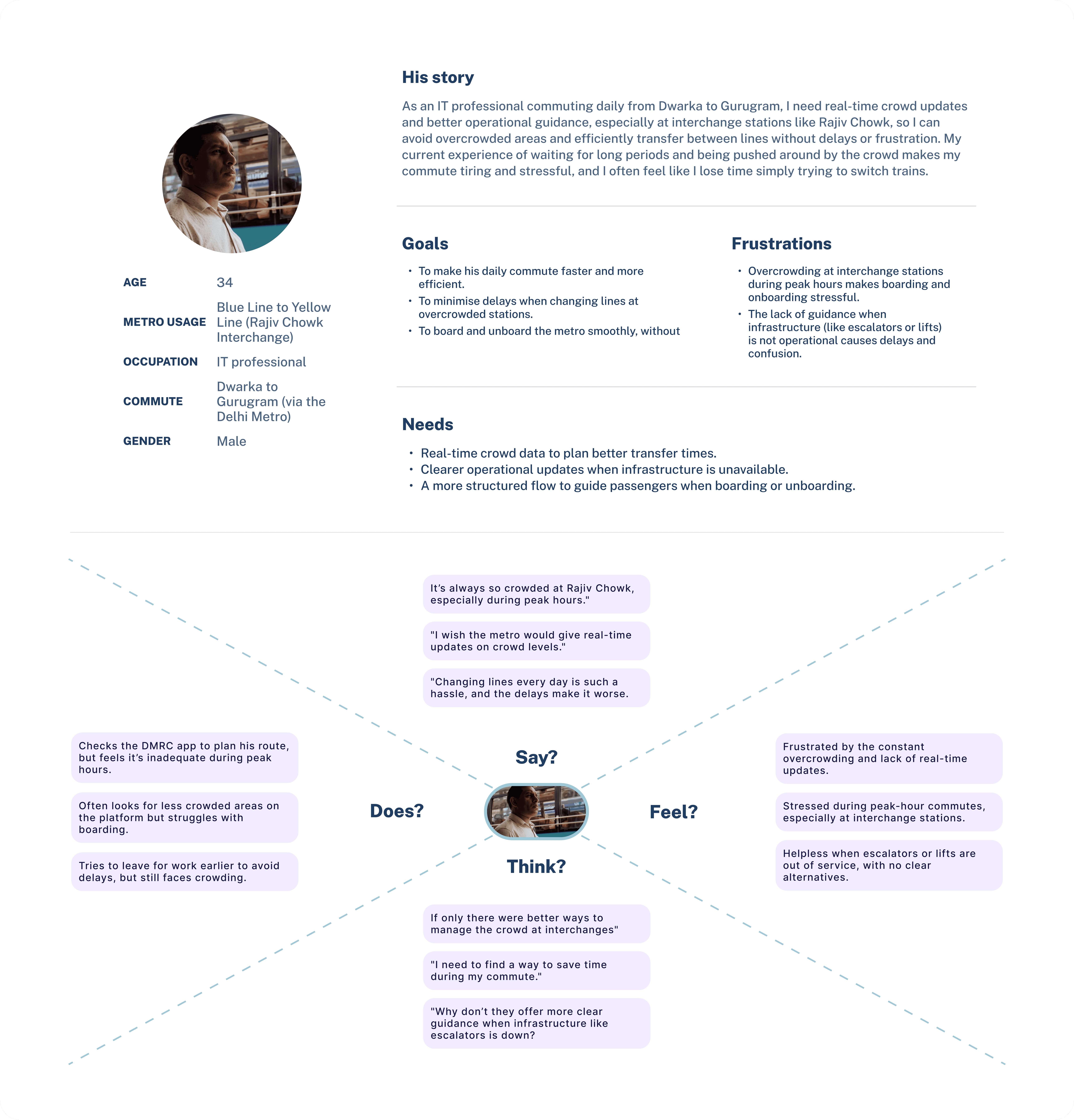
User Personas and their stories
User Personas
and their stories
User Personas and their stories
Rahul Mehta
Rahul Mehta
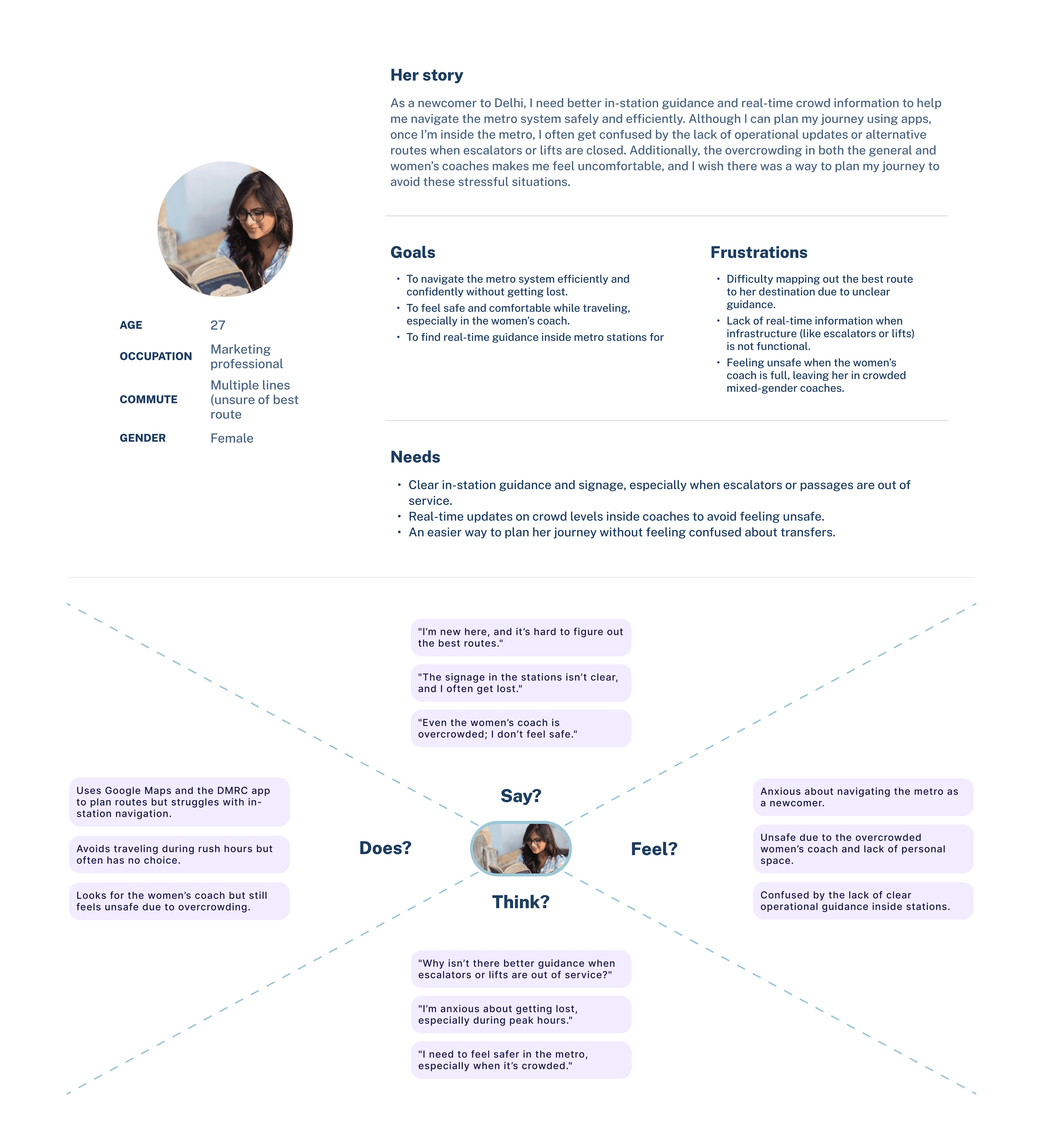
Priya Reddy
Priya Reddy
Problem Statement
Problem Statement
Problem Statement
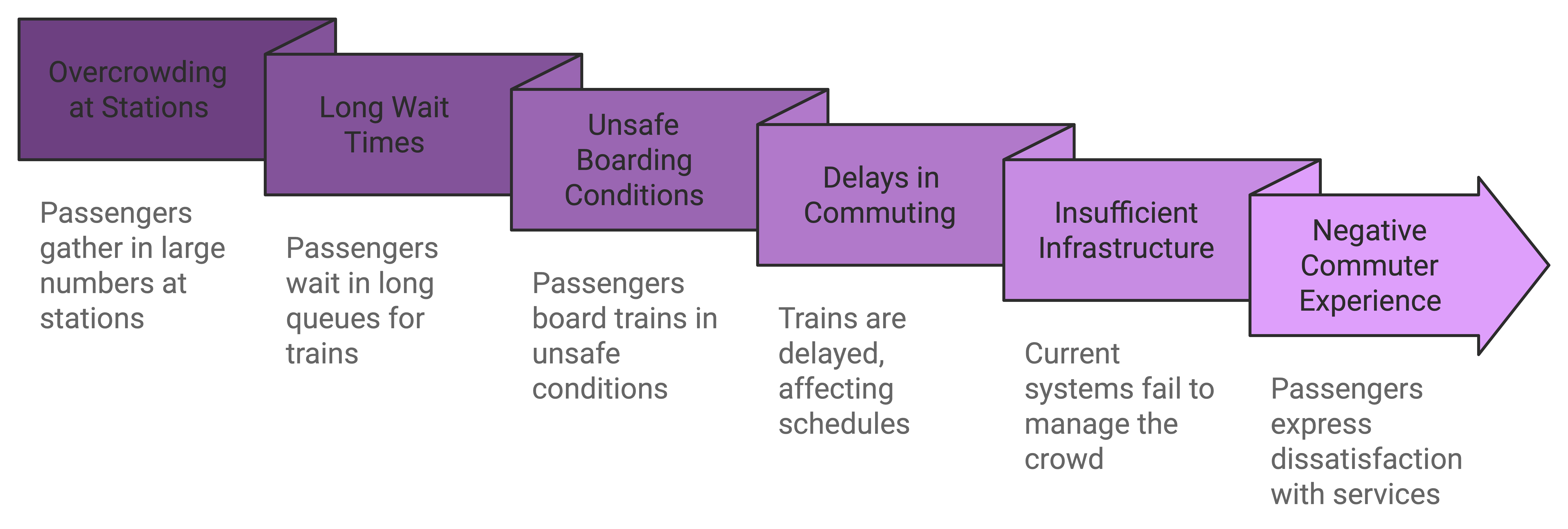
Passengers of the Delhi Metro face severe overcrowding at key interchange stations during peak hours. This results in long wait times, unsafe boarding conditions, and delays in commuting. The existing infrastructure and crowd management systems are insufficient to handle the growing passenger demand, causing a negative impact on the overall commuter experience and operational efficiency.
Passengers of the Delhi Metro face severe overcrowding at key interchange stations during peak hours. This results in long wait times, unsafe boarding conditions, and delays in commuting. The existing infrastructure and crowd management systems are insufficient to handle the growing passenger demand, causing a negative impact on the overall commuter experience and operational efficiency.
Ideation
Ideation
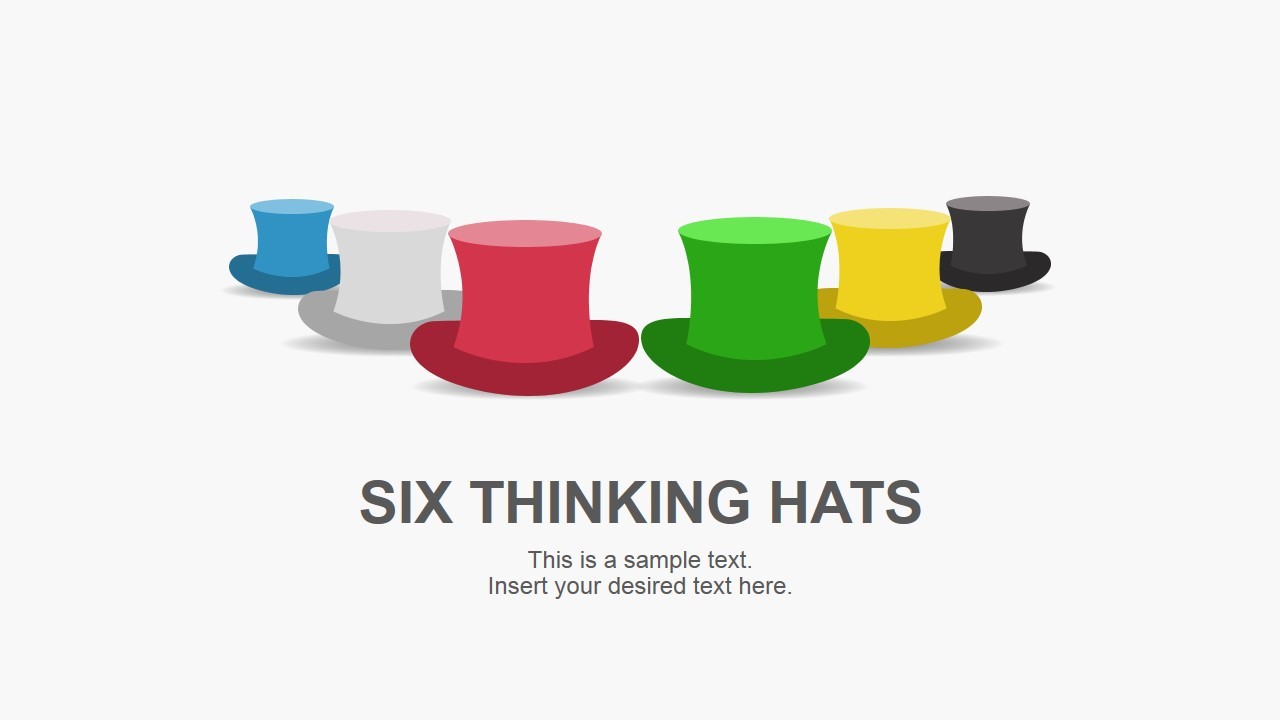
To tackle the challenges identified, I employed the Six Thinking Hats method, a powerful tool for structured creativity. This approach allowed me to explore all aspects of the problem from diverse perspectives, ensuring that every idea was considered with a balance of logic, creativity, and emotional intelligence.
To tackle the challenges identified, I employed the Six Thinking Hats method, a powerful tool for structured creativity. This approach allowed me to explore all aspects of the problem from diverse perspectives, ensuring that every idea was considered with a balance of logic, creativity, and emotional intelligence.
White Hat
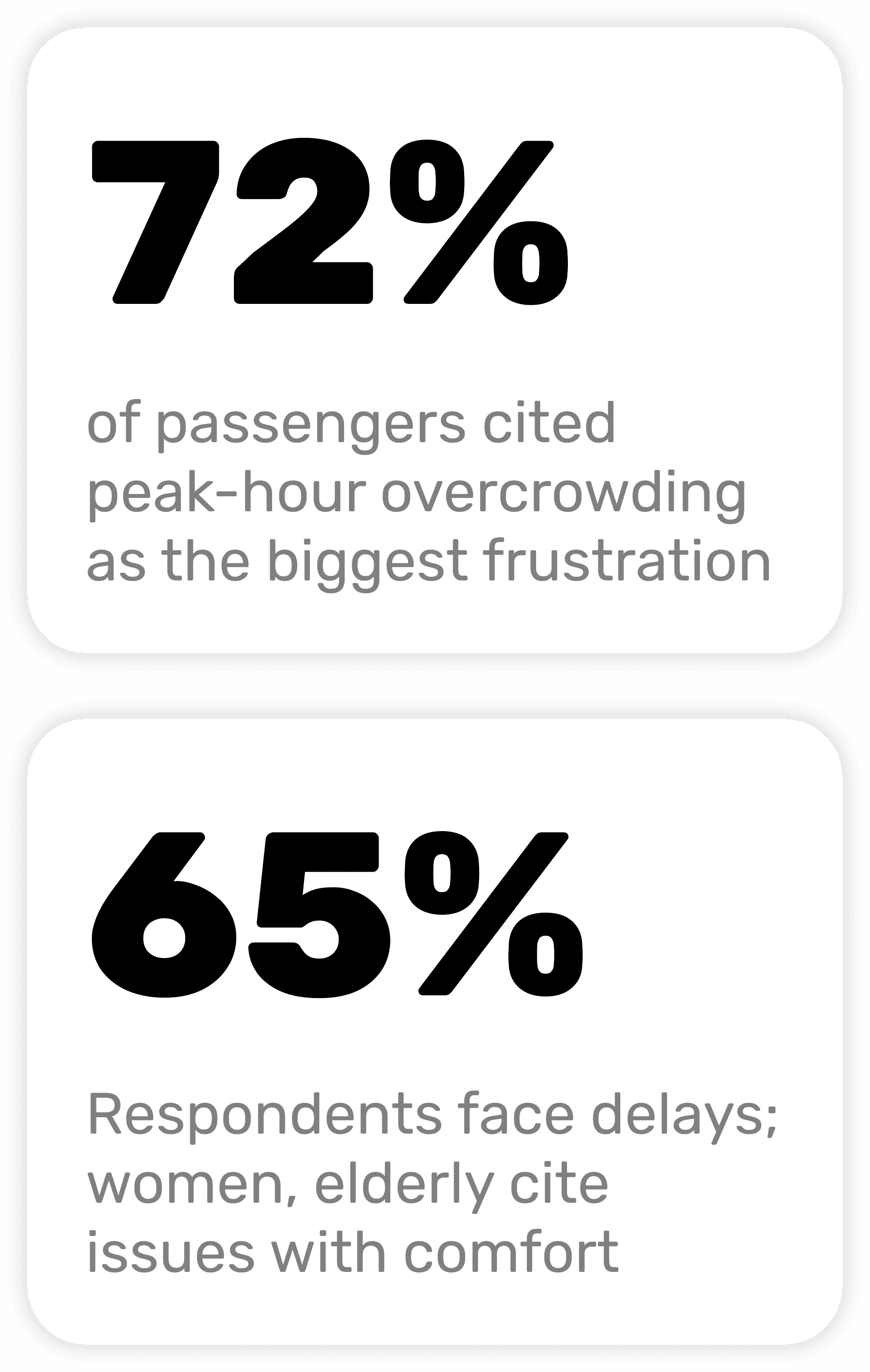
Over 5.5 million daily passengers, with major stations like Rajiv Chowk and Kashmere Gate experiencing bottlenecks during peak hours.
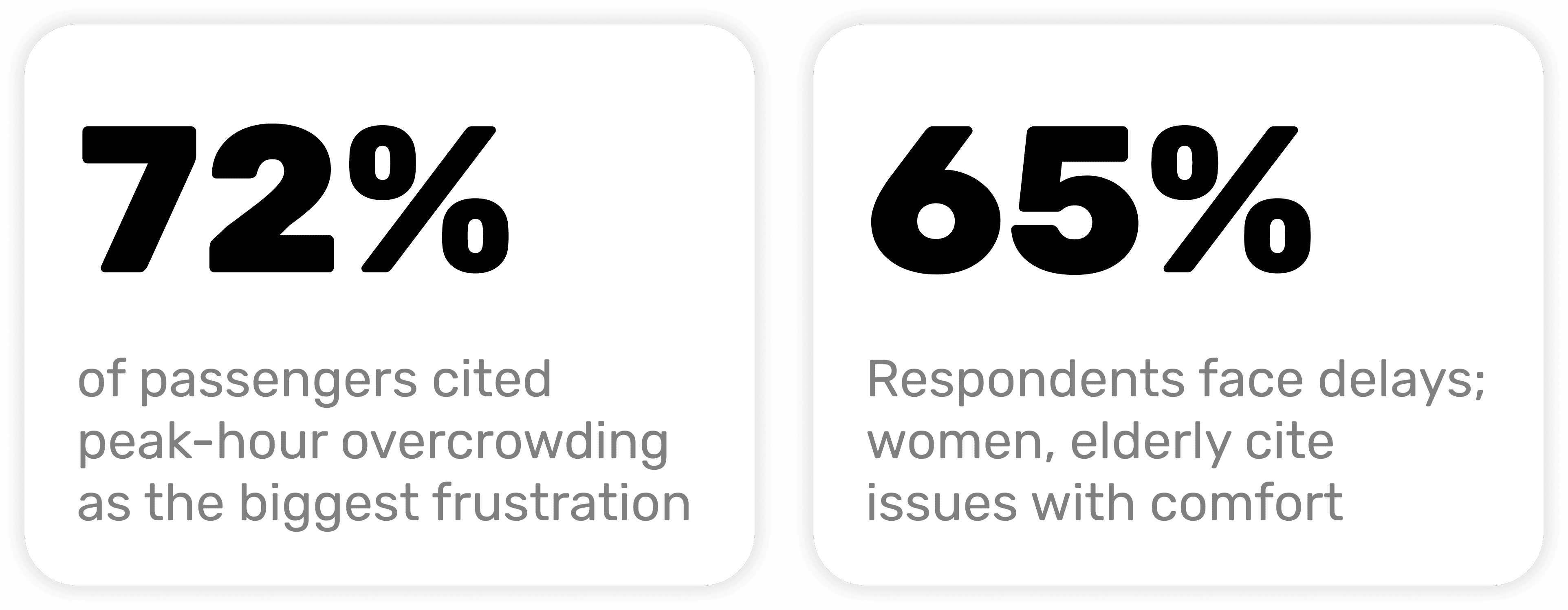
65% of passengers report delays at ticketing and security points.
Newer metro lines (Magenta, Pink) have better infrastructure for passenger management compared to older lines.
Over 5.5 million daily passengers, with major stations like Rajiv Chowk and Kashmere Gate experiencing bottlenecks during peak hours.
65% of passengers report delays at ticketing and security points.
Newer metro lines (Magenta, Pink) have better infrastructure for passenger management compared to older lines.
Yellow Hat
Navigation in Metro:
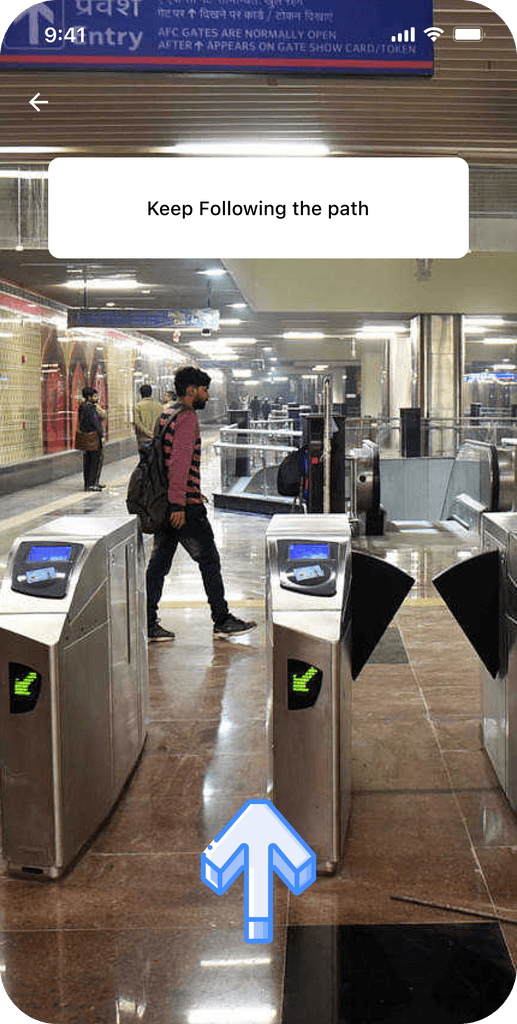
Provides visual guidance within stations, helping users easily locate entry gates and navigate.
Optimizing Station Layouts: Reconfiguring entry/exit points, adding more escalators and elevators, and utilizing multiple boarding gates could ease bottlenecks.
Introducing Real-Time Crowding Data: Providing passengers with real-time data on crowd levels in stations and metro cars via the DMRC app could help distribute passengers more evenly.
Black Hat
High Cost: Implementing advanced crowd management systems and redesigning older stations could involve significant costs.
Accessibility Tools:
lift directions, and wheelchair-accessible paths to enhance station accessibility.
Space Constraints: Older stations may have limited space for expansion, making it challenging to add new infrastructure like extra escalators or boarding gates.
Red Hat
Frustration: Commuters are frustrated by overcrowding, long wait times, and uncomfortable conditions.
Safety Concerns: Many passengers, particularly women and the elderly, feel unsafe in crowded platforms and trains.
Discomfort: Disabled and elderly passengers feel neglected due to the lack of accessible infrastructure, which makes their journey stressful.
Green Hat
Smart Crowd Management System: Use AI to redirect passengers to less crowded areas, gates, or coaches via the DMRC app. This could also include AI-based prediction of crowd levels based on historical data.
Passenger Flow Redesign: Separate entry and exit gates to manage traffic better during peak hours. Introduce one-way paths inside major stations to reduce congestion.
Gamification of Commute: Introduce incentives, rewards, or perks through the DMRC app for passengers who travel outside of peak hours to help distribute the crowd better.
Blue Hat
Pilot Program: Test real-time crowd monitoring and express train systems at a few major stations before rolling them out across the network.
Feedback Loop: Collect regular feedback from passengers and staff regarding the efficiency of the new systems.
Technology Assessment: Assess the feasibility and cost-effectiveness of implementing AI-based systems and crowd management apps.
Final Ideas Selection
Final Ideas Selection
Final Ideas Selection
After a comprehensive ideation process using the Six Thinking Hats method, I carefully evaluated each proposed solution for its feasibility, impact, and alignment with user needs. The goal was to prioritize ideas that addressed the core challenges while remaining practical for implementation within the existing Delhi Metro framework.
After a comprehensive ideation process using the Six Thinking Hats method, I carefully evaluated each proposed solution for its feasibility, impact, and alignment with user needs. The goal was to prioritize ideas that addressed the core challenges while remaining practical for implementation within the existing Delhi Metro framework.
Hybrid Carriage Systemfor Improved Passenger Flow
Hybrid Carriage Systemfor Improved Passenger Flow
AR Navigation within the Metro Station
AR Navigation within the Metro Station
Integrated Smartcard Top-Up at Ticket Gates
Integrated Smartcard Top-Up at Ticket Gates
Hybrid Carriage System for Improved Passenger Flow and Comfort
Hybrid Carriage System for Improved Passenger Flow and Comfort
Hybrid Carriage System for Improved Passenger Flow and Comfort
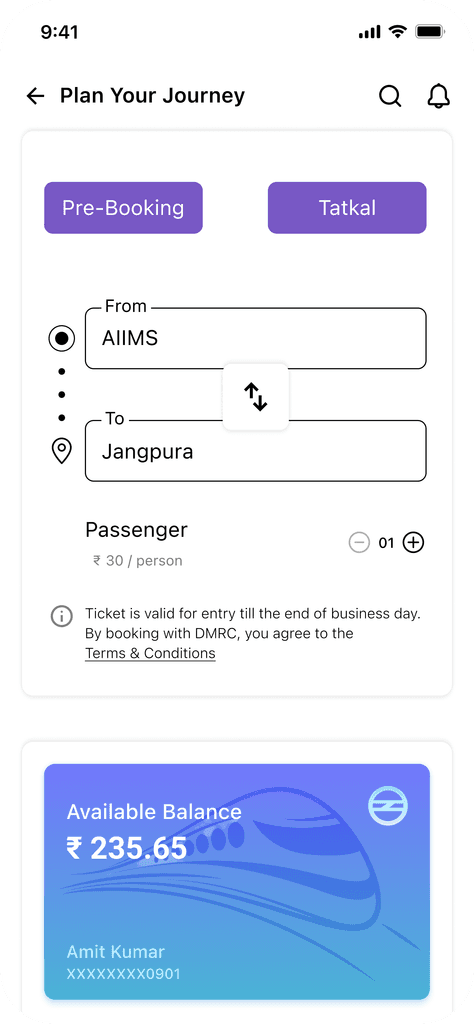
To address crowding and improve the passenger experience, we propose a hybrid carriage system in the Delhi Metro, dividing carriages into pre-booked and open-access sections. This system allows regular commuters to enjoy a reserved, comfortable space while accommodating last-minute travelers in open-access carriages.
To address crowding and improve the passenger experience, we propose a hybrid carriage system in the Delhi Metro, dividing carriages into pre-booked and open-access sections. This system allows regular commuters to enjoy a reserved, comfortable space while accommodating last-minute travelers in open-access carriages.
1. Pre-Booked Carriages (First Four):
• Passengers can reserve seats in advance through the DMRC app or ticket counters.
• Guarantees less crowded, more comfortable travel for those who plan their journeys.
• Entry restricted to booked passengers, creating a predictable and organized boarding experience.
2. Open-Access Carriages (Last Two) (Tatkal):
• Reserved for last-minute travelers or those who prefer flexibility.
• Functions like the current system but limited to specific carriages, allowing open access without advance booking.
• These carriages may experience more crowding but maintain flexible boarding for spontaneous passengers.
1. Pre-Booked Carriages (First Four):
• Passengers can reserve seats in advance through the DMRC app or ticket counters.
• Guarantees less crowded, more comfortable travel for those who plan their journeys.
• Entry restricted to booked passengers, creating a predictable and organized boarding experience.
2. Open-Access Carriages (Last Two) (Tatkal):
• Reserved for last-minute travelers or those who prefer flexibility.
• Functions like the current system but limited to specific carriages, allowing open access without advance booking.
• These carriages may experience more crowding but maintain flexible boarding for spontaneous passengers.
AR Navigation within the Metro Station
AR Navigation within the Metro Station
AR Navigation within the Metro Station
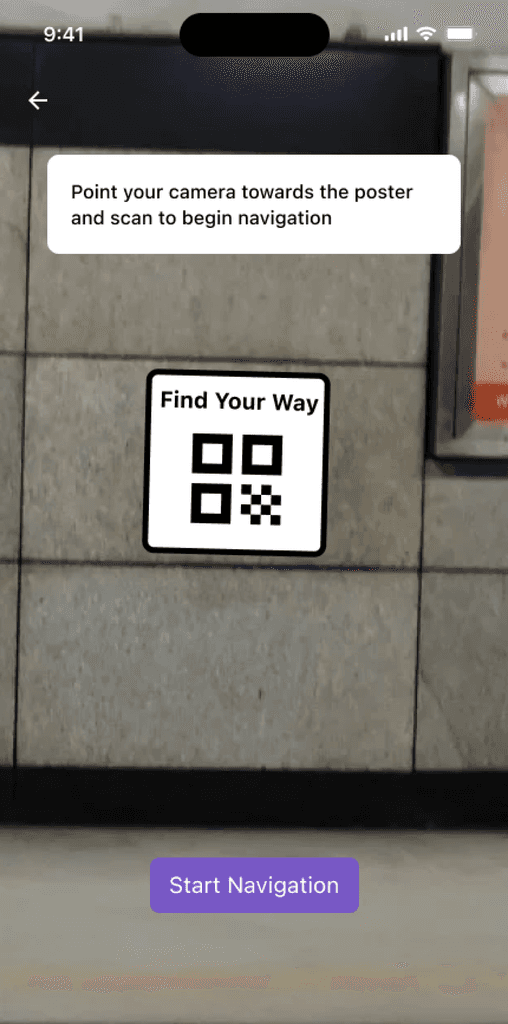
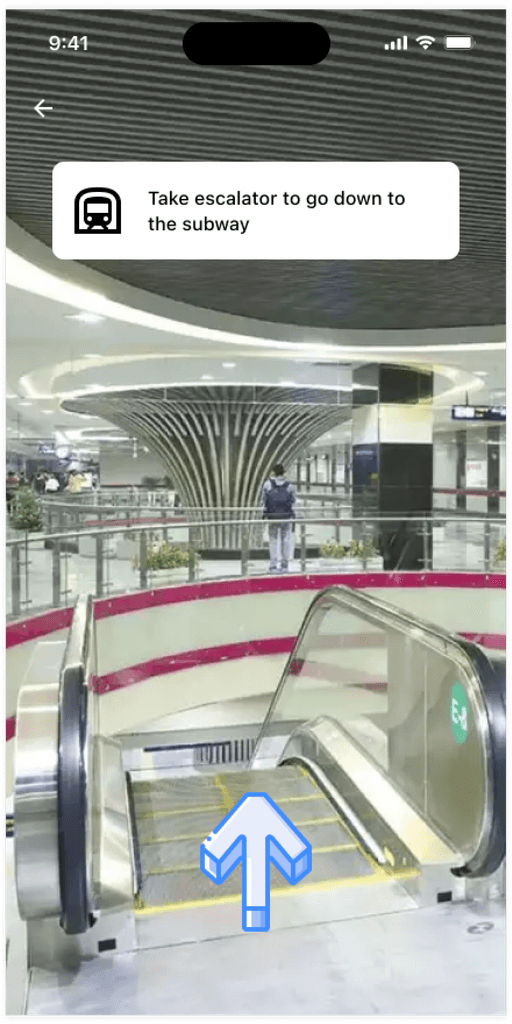
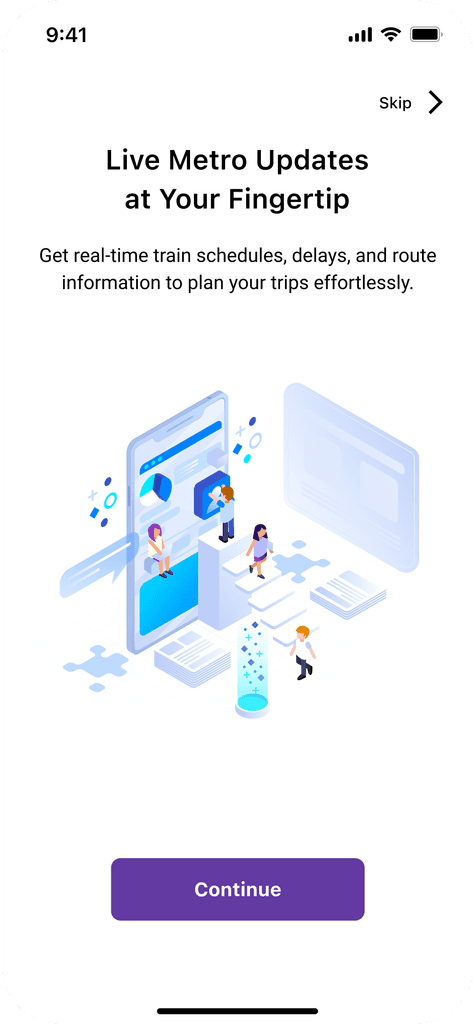
The Delhi Metro has become an essential mode of transportation for millions of people in the city. Navigating the complex network of stations can be a daunting task for both regular commuters and visitors. Thus, I developed "Find Your Way" to address this issue and make the experience of using the Delhi Metro much more convenient.
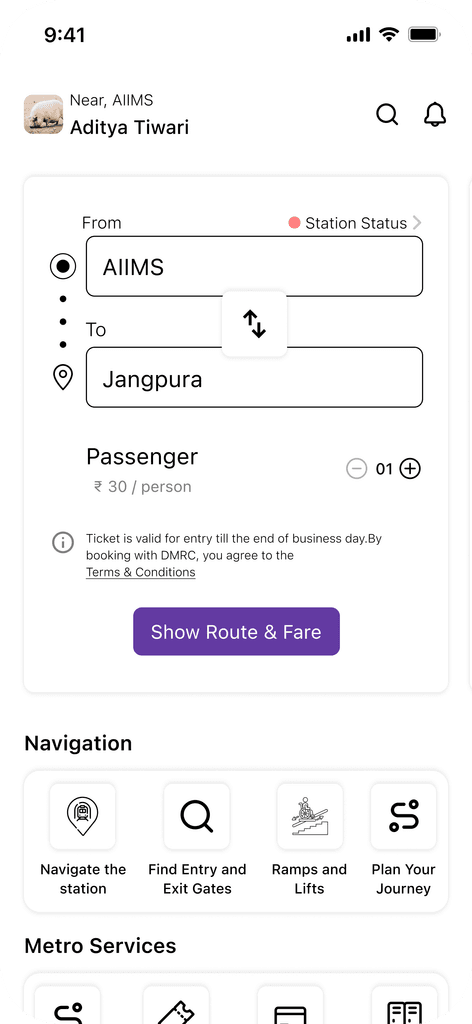
This digital platform offers a range of features specifically designed to cater to the needs of traveler's. One of the most notable features is the AR navigation within the stations, which provides users with a visual guide to help them find their way. Additionally, the app allows users to easily find the nearest station with the closest entry gate, saving time and effort.
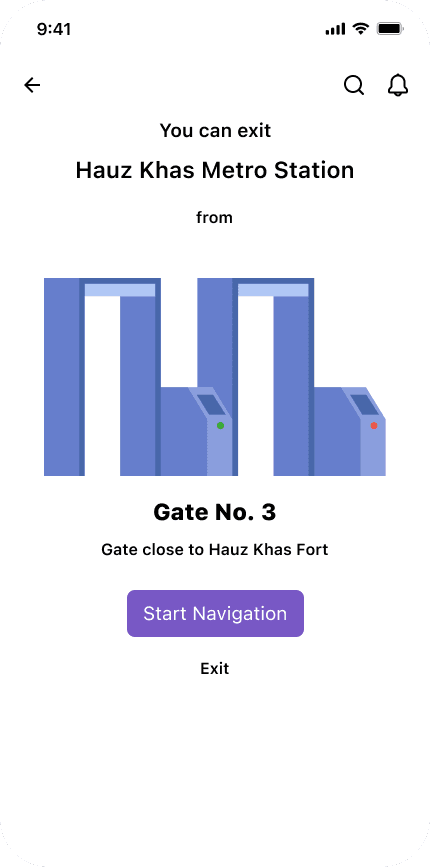
Furthermore, the app goes a step further by helping users choose the best exit gate based on their destination after leaving the station. This feature can be incredibly useful for those who are unfamiliar with the area surrounding the stations.
In addition to these navigation features, the app also includes tools to improve accessibility. For instance, it offers a language translator to help users understand sign boards that are not in their native language. It also provides guidance towards lifts and wheelchair-accessible areas, making it easier for those with mobility challenges to navigate the stations.
Overall, this app has the potential to greatly enhance the experience of using the Delhi Metro. Its innovative features and focus on accessibility make it a valuable tool for all travelers
The Delhi Metro has become an essential mode of transportation for millions of people in the city. Navigating the complex network of stations can be a daunting task for both regular commuters and visitors. Thus, I developed "Find Your Way" to address this issue and make the experience of using the Delhi Metro much more convenient.
This digital platform offers a range of features specifically designed to cater to the needs of traveler's. One of the most notable features is the AR navigation within the stations, which provides users with a visual guide to help them find their way. Additionally, the app allows users to easily find the nearest station with the closest entry gate, saving time and effort.
Furthermore, the app goes a step further by helping users choose the best exit gate based on their destination after leaving the station. This feature can be incredibly useful for those who are unfamiliar with the area surrounding the stations.
In addition to these navigation features, the app also includes tools to improve accessibility. For instance, it offers a language translator to help users understand sign boards that are not in their native language. It also provides guidance towards lifts and wheelchair-accessible areas, making it easier for those with mobility challenges to navigate the stations.
Overall, this app has the potential to greatly enhance the experience of using the Delhi Metro. Its innovative features and focus on accessibility make it a valuable tool for all travelers
Integrated Smartcard Top-Up
at Ticket Gates
Integrated Smartcard
Top-Up at Ticket Gates
Integrated Smartcard Top-Up
at Ticket Gates
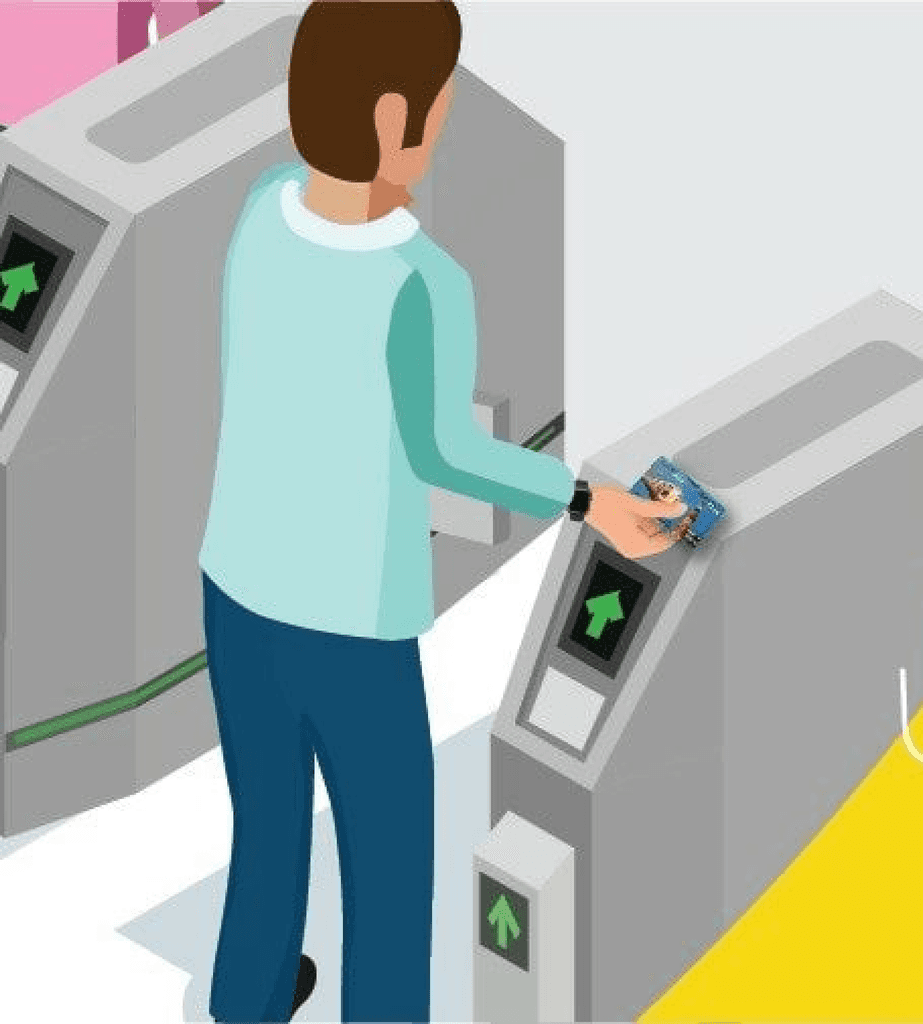
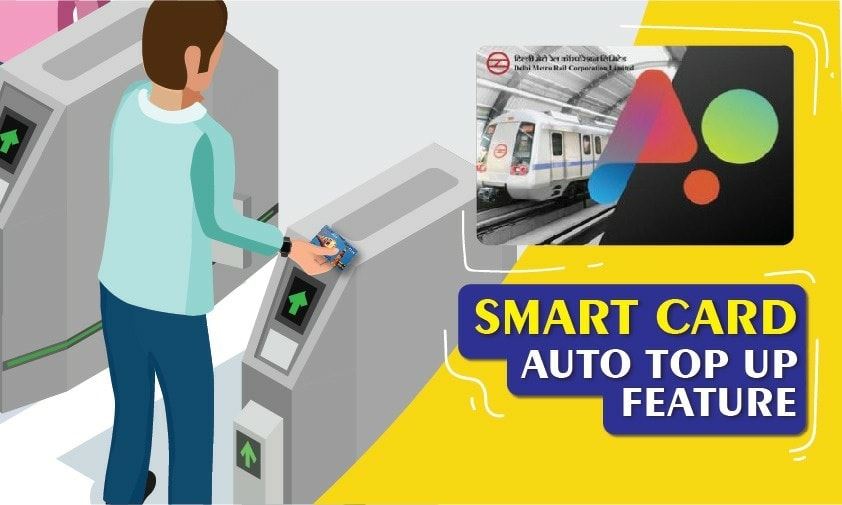
To streamline the top-up process and make it more convenient for passengers, we propose integrating the smartcard top-up feature directly into the ticket gates. This would eliminate the need for passengers to visit a separate Add-Value Machine (AVM), allowing them to recharge their cards seamlessly while entering or exiting the station.
To streamline the top-up process and make it more convenient for passengers, we propose integrating the smartcard top-up feature directly into the ticket gates. This would eliminate the need for passengers to visit a separate Add-Value Machine (AVM), allowing them to recharge their cards seamlessly while entering or exiting the station.
Benefits:
1. Convenience: Reduces the need to find and queue at an AVM, allowing passengers to recharge at the gate itself.
2. Time-Saving: Speeds up entry and exit, especially during peak hours, by consolidating entry and top-up processes.
3. Enhanced Passenger Experience: Simplifies the travel experience, minimizing interruptions and improving commuter satisfaction.
Benefits:
1. Convenience: Reduces the need to find and queue at an AVM, allowing passengers to recharge at the gate itself.
2. Time-Saving: Speeds up entry and exit, especially during peak hours, by consolidating entry and top-up processes.
3. Enhanced Passenger Experience: Simplifies the travel experience, minimizing interruptions and improving commuter satisfaction.
Informative Onboarding
Navigation Guidance
Exit Gate recomendation
Informative Onboarding
Navigation Guidance
Exit Gate recomendation
Informative Onboarding
Navigation Guidance
Exit Gate recomendation
Informative Onboarding
Navigation Guidance
Exit Gate recomendation
Informative Onboarding
Navigation Guidance
Exit Gate recomendation
Informative Onboarding
Navigation Guidance
Exit Gate recomendation
Informative Onboarding
Navigation Guidance
Exit Gate recomendation
Informative Onboarding
Navigation Guidance
Exit Gate recomendation
Conclusion
Conclusion
Conclusion
The Delhi Metro stands as a testament to urban innovation, but with its growing ridership and evolving commuter needs, the system faces significant challenges that demand thoughtful solutions. This case study aimed to address these issues through in-depth research, structured ideation, and practical design proposals.
By identifying key pain points such as overcrowding, navigation inefficiencies, and a lack of real-time information, I developed solutions rooted in user-centric thinking. The Hybrid Carriage System, Integrated Smartcard Top-Up at Ticket Gates, and Enhanced DMRC App Features are not just concepts—they are actionable strategies designed to improve passenger flow, elevate user experience, and future-proof the Delhi Metro.
This project also underscored the importance of empathy and collaboration in design. Listening to commuters, learning from global systems, and analyzing the ecosystem holistically revealed that small, thoughtful changes can lead to significant impacts.
As cities continue to grow, public transportation systems must evolve to keep pace. The Delhi Metro has the potential to be more than a transit network—it can be a seamless, stress-free experience that inspires other systems worldwide. Through this case study, I hope to spark further conversations and ideas about how design can transform urban mobility for the better.
The Delhi Metro stands as a testament to urban innovation, but with its growing ridership and evolving commuter needs, the system faces significant challenges that demand thoughtful solutions. This case study aimed to address these issues through in-depth research, structured ideation, and practical design proposals.
By identifying key pain points such as overcrowding, navigation inefficiencies, and a lack of real-time information, I developed solutions rooted in user-centric thinking. The Hybrid Carriage System, Integrated Smartcard Top-Up at Ticket Gates, and Enhanced DMRC App Features are not just concepts—they are actionable strategies designed to improve passenger flow, elevate user experience, and future-proof the Delhi Metro.
This project also underscored the importance of empathy and collaboration in design. Listening to commuters, learning from global systems, and analyzing the ecosystem holistically revealed that small, thoughtful changes can lead to significant impacts.
As cities continue to grow, public transportation systems must evolve to keep pace. The Delhi Metro has the potential to be more than a transit network—it can be a seamless, stress-free experience that inspires other systems worldwide. Through this case study, I hope to spark further conversations and ideas about how design can transform urban mobility for the better.